

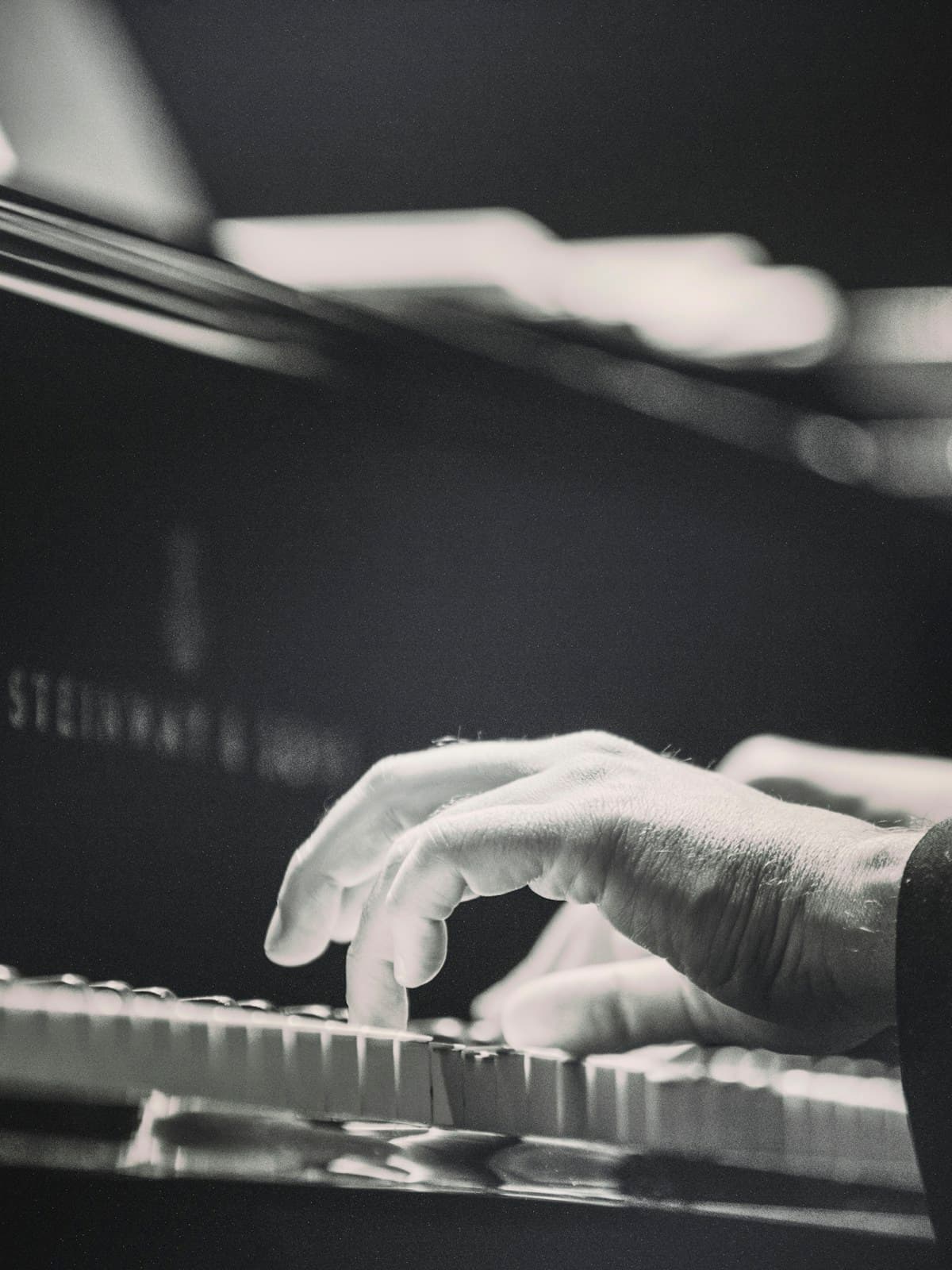
 Meet the teacher
Children’s piano teacher
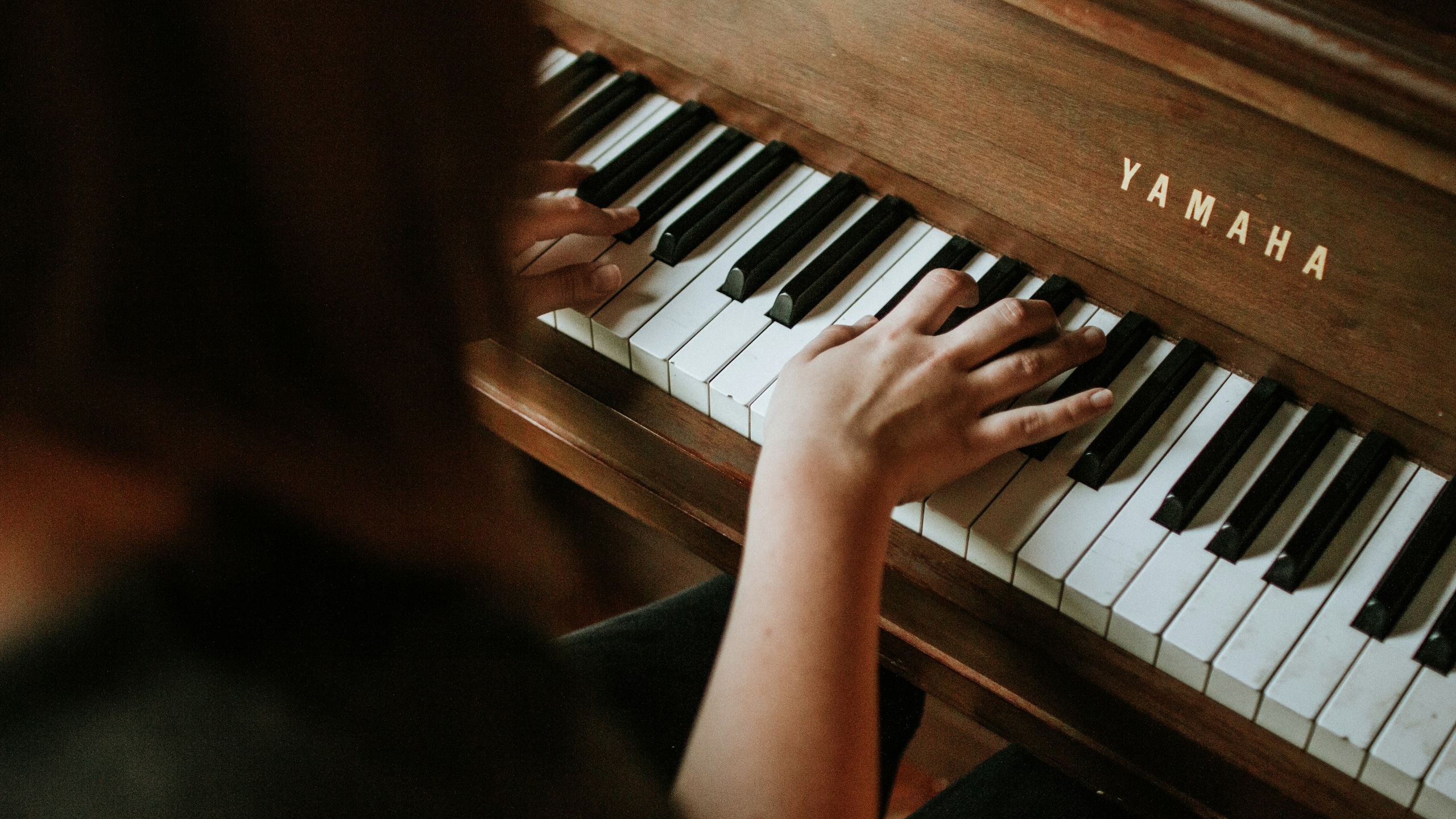
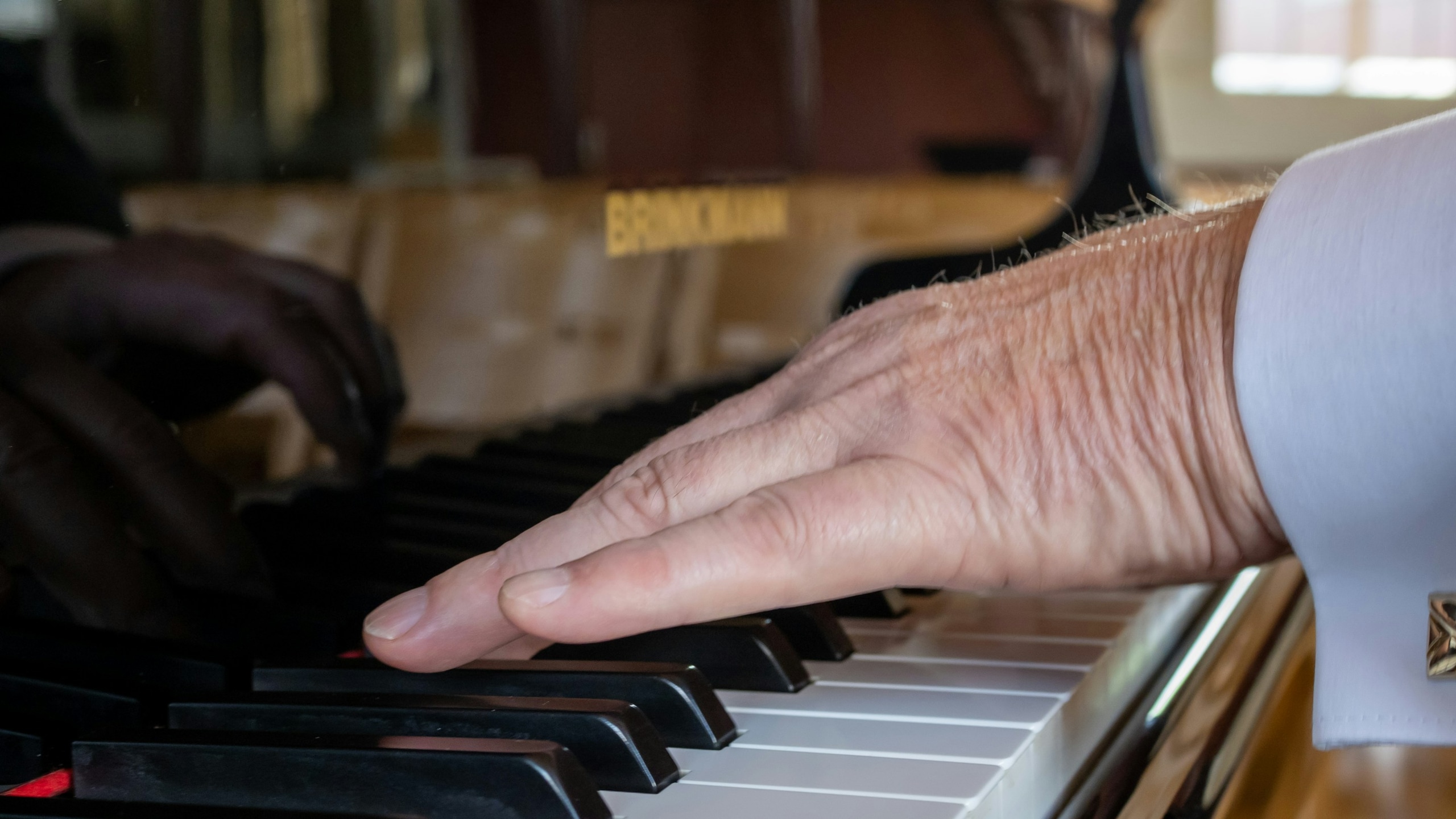
Sara Noori
Foundation, rhythm, and ear training
Etude takes piano learning in a focused, precise, step-by-step path, with a teacher who stays with you.
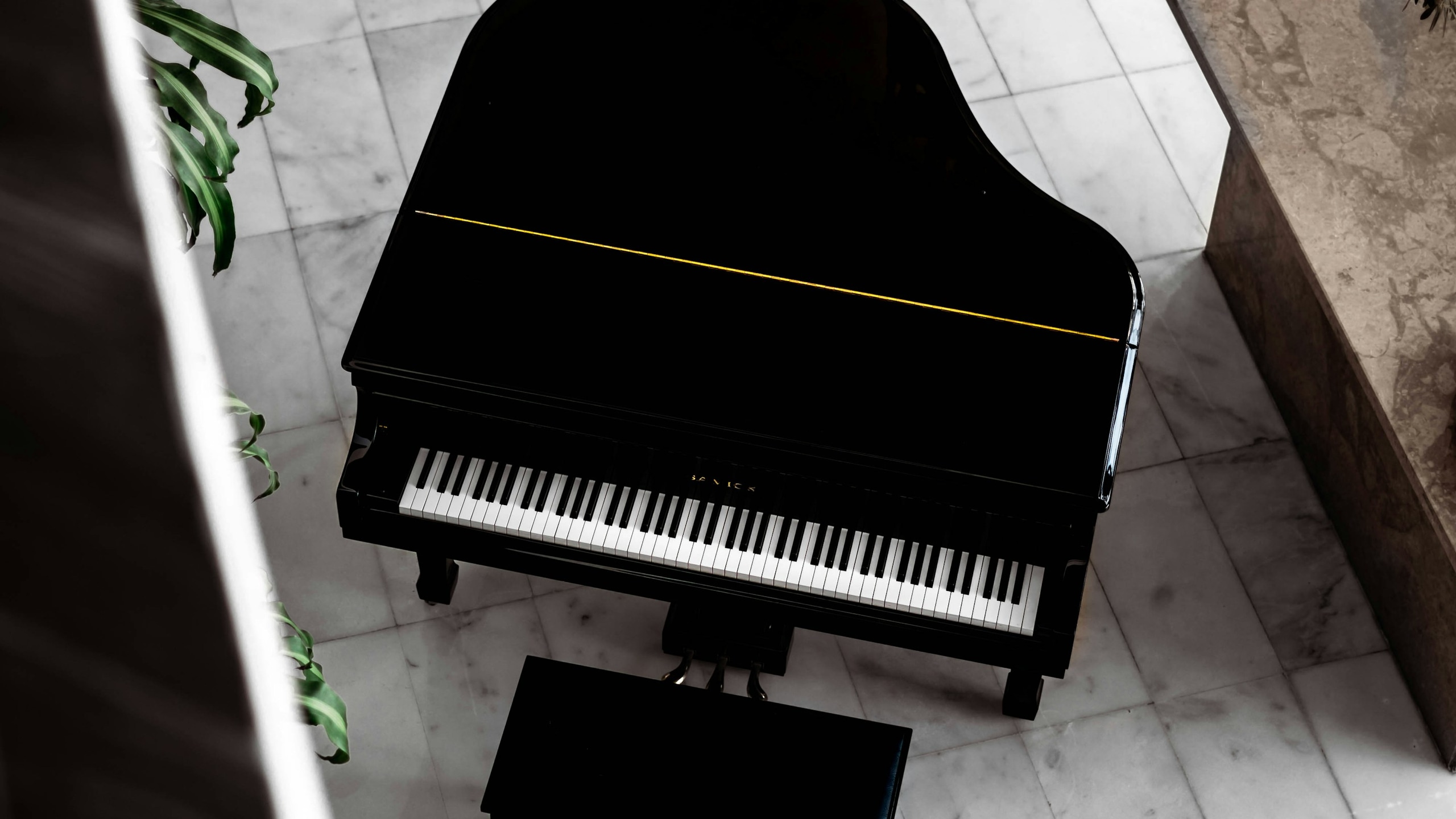
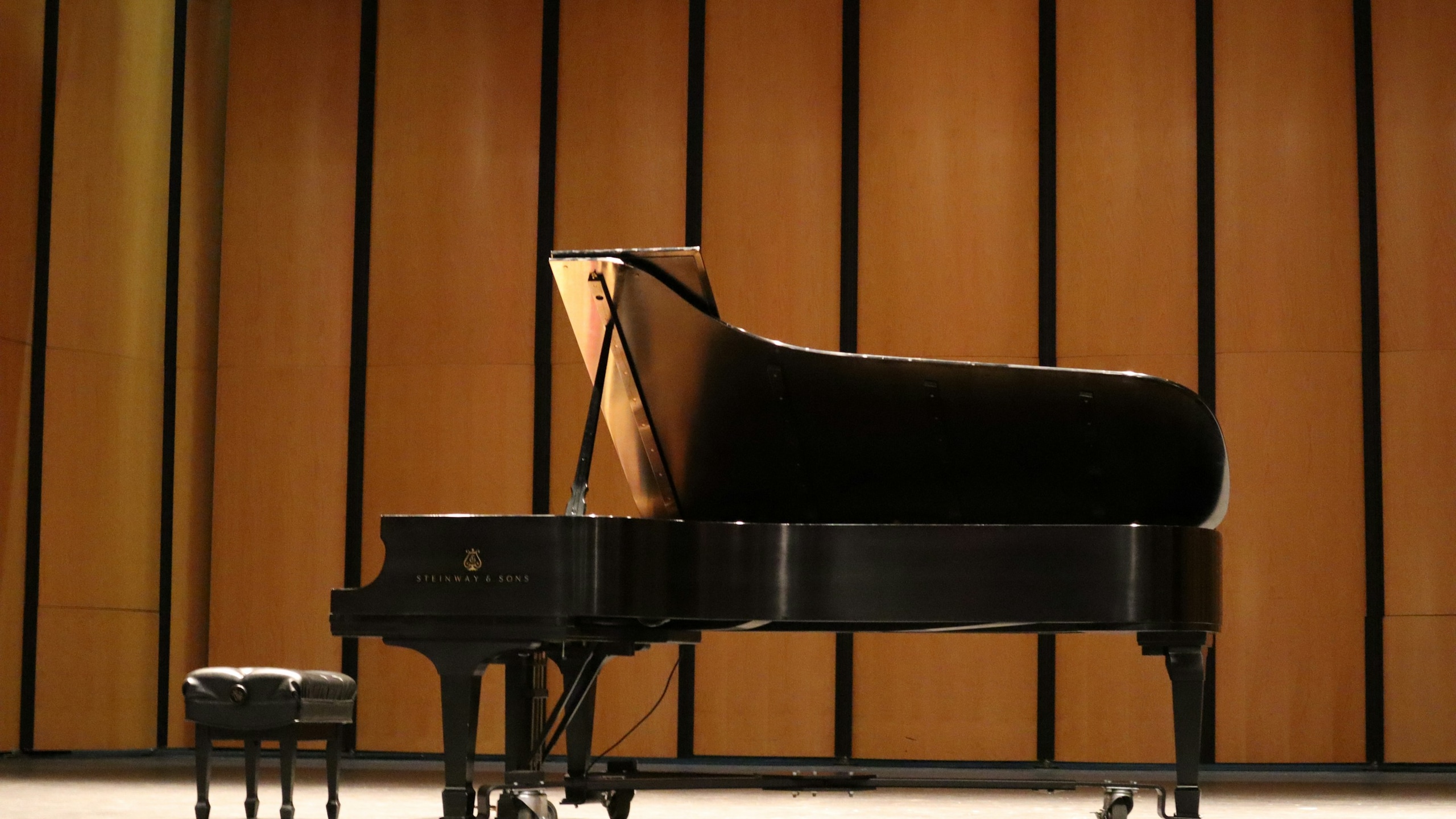
Where a piece moves from the practice room onto the stage.
Performance space
Etude teachers do not only assign pieces; they move practice, habit, and confidence forward together.
Begin the path
Start with an educational consultation for placement and a clear path; without rush, and without vague promises.
How to begin
Three steps to the first lesson
Step 1
Tell us your aim
Child, adult, technique, or performance.
Step 2
Find the level
The teacher suggests the right path.
Step 3
First lesson
Practice starts precisely from the first session.
Levels
The path from first contact with the piano to stage performance is divided into ten levels. Each level ends with a teacher assessment and a certificate.
Choose a level
Etude is not designed for a noisy, scattered class; every corner is shaped for listening, precise practice, and staying at the piano.
From the classroom to a short pause between sessions, the space is set so a student can focus on sound, technique, and a piece. A piano is at hand, scores are nearby, and the quiet of the academy is part of learning, not decoration.
A private session with a teacher; work on technique, listening, and the piece that should move forward this week.
Practice notes, leveling, and the path of piano playing
Educational
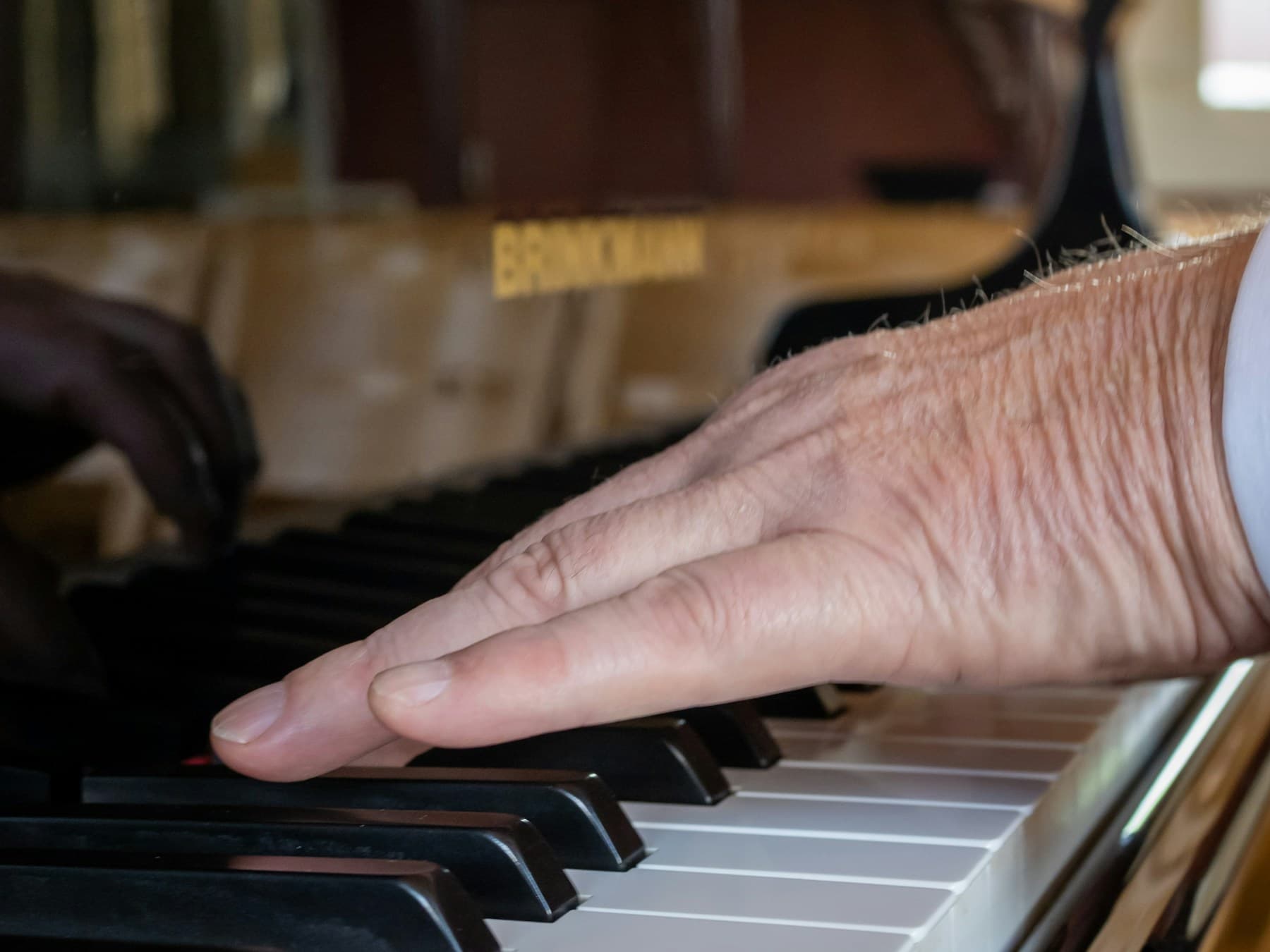
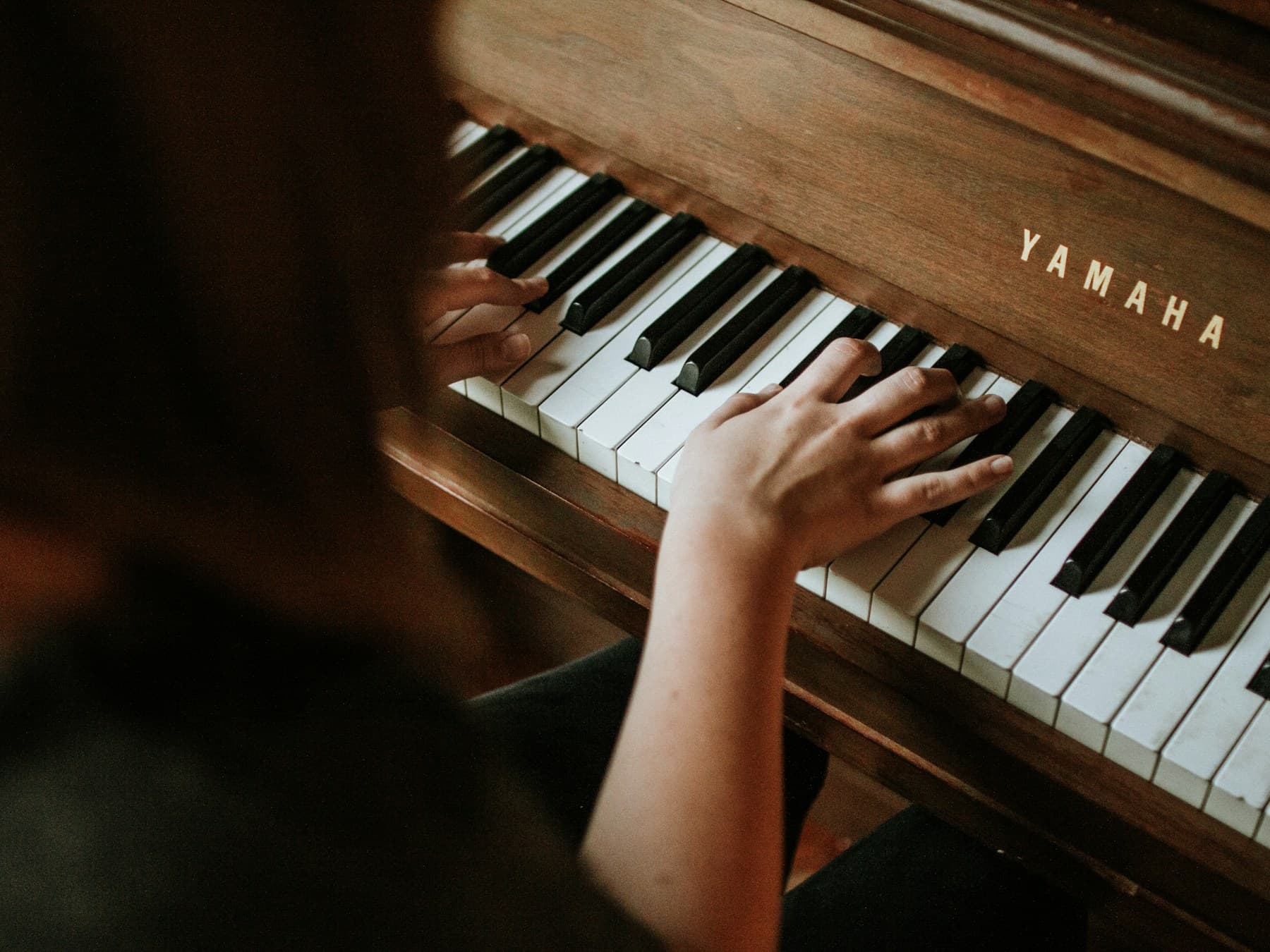
The habit of practice does not start with a hard piece; it starts with a short time, careful listening, and a weekly plan.
Educational
Each level has a clear aim and ends with a certificate; from reading music to performing on stage.
Piano masters
Stage readiness is not only memorizing notes; sound, presence, and confidence have to be practiced too.
Educational
Before a hard piece, the ear has to know the sound; listening practice shortens the path of technique.